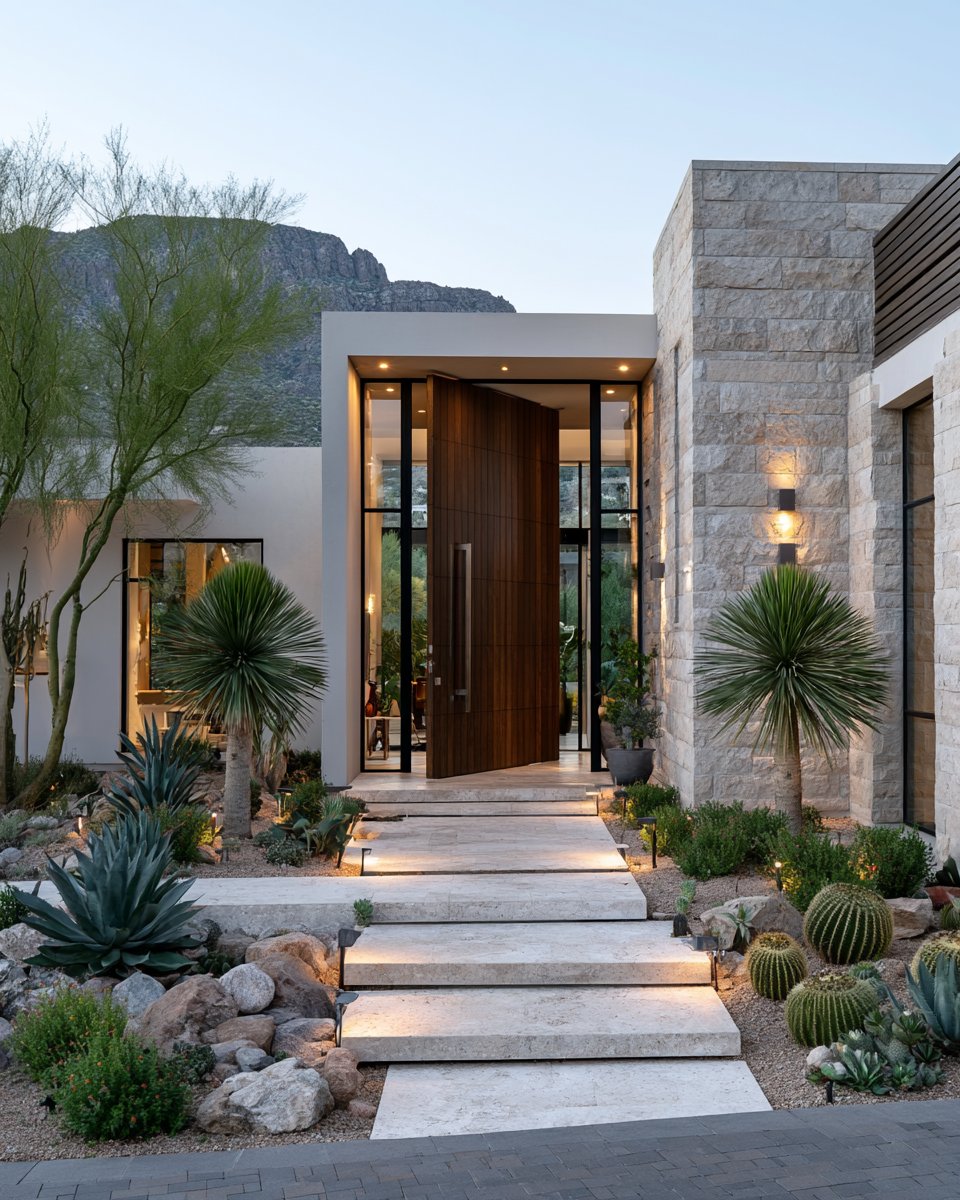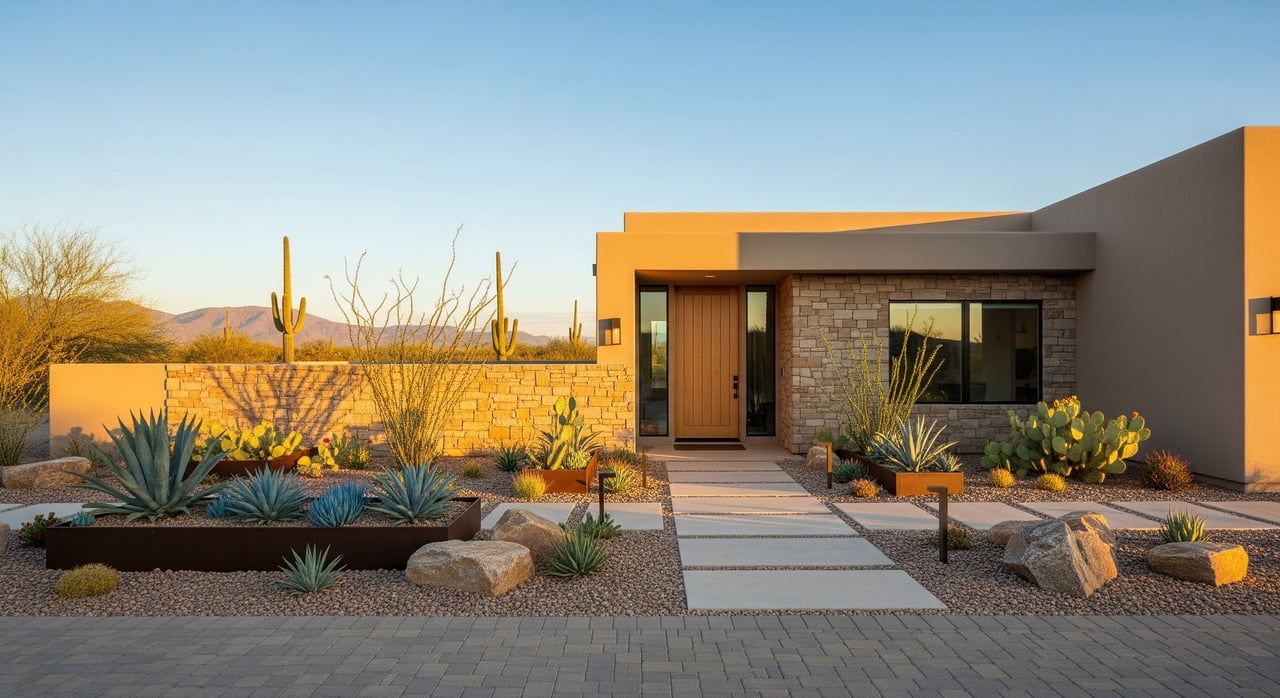
Getting ready to sell in Green Valley? Your front yard is the first hello to every buyer, and in the Sonoran Desert, smart choices matter. You want a clean, low‑maintenance look that handles heat, saves water, and satisfies HOA rules. In this guide, you’ll learn fast upgrades, water‑wise plant ideas, timing tips, and what to check before you dig. Let’s dive in.
Why curb appeal matters here
Green Valley’s climate is hot, sunny, and dry with occasional winter freezes. Buyers often want tidy, low‑water yards with shaded spots for enjoying the outdoors. A clean, intentional look can shorten time on market and boost buyer confidence in your home’s overall care.
Many neighborhoods use HOAs that guide what you can plant or build in the front yard. Always review your CC&Rs and seek approvals before larger changes. Protected native plants, especially large saguaros, also require special handling and permits before removal.
Quick wins before listing
- Power‑wash the driveway, walks, and entry. Clear cobwebs, clean window screens, and tidy gutters.
- Prune and declutter. Remove dead branches, pull weeds, and trim for clear views of the front door and house numbers.
- Refresh gravel. Rake decomposed granite and top up thin areas for a crisp, even look.
- Update the entry. Repaint the front door in a desert‑friendly color and replace worn house numbers, mailbox, and porch light.
- Add potted accents. Use a few sturdy containers with agave, yucca, or seasonal blooms for color and focus near the door.
- Improve evening appeal. Install simple solar or low‑voltage LED path lights for safety and warmth.
Water‑wise plants buyers like
Design basics for the desert
- Favor drought‑tolerant and native or well‑adapted plants. Group by water needs to form clear hydrozones.
- Aim for year‑round interest. Mix evergreen structure with seasonal bloomers and architectural succulents.
- Keep the palette limited and repeat plants for cohesion. Place color and focal points near the entry.
- Add shade where it helps. Site small trees to cool windows and outdoor seating while allowing winter sun.
Reliable plant picks for Green Valley
- Structural trees: smaller palo verde varieties, desert willow, or select mesquite (note that pods can be messy).
- Shrubs: Texas sage, fairy duster, brittlebush, hopbush, and autumn sage.
- Succulents and cacti: agave, yucca, prickly pear, barrel cactus, beavertail. Do not disturb large saguaros.
- Seasonal color: globe mallow, desert marigold, penstemon, and chuparosa.
- Groundcovers: trailing lantana where suitable, select sedums, and gazania if frost risk is considered.
Hardscape that looks intentional
- Choose clean edges. Define transitions between gravel and planted areas so the yard looks cared for, not wild.
- Add rock accents. Group boulders and stones thoughtfully to create focal points and reduce maintenance.
- Upgrade paths. Use flagstone or permeable pavers for a light‑colored walkway that stays cooler in summer.
- Create shade. A small pergola, shade sail, or patio cover can make the front or side porch more inviting.
- Stage the porch. Two chairs, a small table, and a couple of pots signal an easy, livable outdoor space.
Irrigation upgrades buyers notice
- Use drip irrigation. It reduces evaporation and delivers water where plants need it.
- Group by water needs. Set valves and schedules by hydrozone so you do not overwater low‑need plants.
- Consider smart controllers. Moisture sensors and smart schedules can cut water use and simplify care. Check your local water provider for any current rebates or conservation rules.
- Mulch wisely. Rock mulch is common; avoid piling organic mulch near the foundation because of termite concerns.
- Rethink turf. If allowed by your HOA, converting high‑water grass to well‑designed xeriscape can be a selling point.
Lighting, color, and finishing touches
- Add low‑voltage LED accent lights to highlight the entry, key trees, and house numbers without glare.
- Coordinate exterior paint and trim in neutral, desert‑friendly palettes. Use the front door color to add contrast.
- Ensure address visibility. Consider reflective numbers or a discreet backlit panel.
Budget and ROI: spend smart
- Low‑cost spruce‑up: about $200 to $1,000 for cleaning, pruning, pots, paint touch‑ups, and simple lighting.
- Moderate refresh: about $2,500 to $10,000 for drip irrigation, plant beds, turf removal, and hardscape accents.
- Major overhaul: $10,000+ for a full redesign, larger hardscape, pergola, and tree planting.
Every neighborhood is different. Focus on tidy, cohesive, low‑maintenance improvements that match local expectations. Get multiple bids and align your spend with likely sale price and nearby comps.
Timing your project
Southern Arizona’s best planting windows are fall and early spring. This helps plants establish before summer heat. Avoid heavy planting during peak summer unless you use experienced installers and a clear watering plan.
For listing photos and showings, aim for seasonal color when possible and adjust irrigation schedules so plants look healthy. A few timely blooms or fresh new growth can make photos pop.
Maintenance for showings
- Prune lightly to maintain shape and keep walkways clear.
- Check irrigation monthly and adjust for weather.
- Remove spent blooms and dead vegetation to reduce fire risk and maintain a neat look.
- Sweep hardscape weekly and refresh gravel edges as needed.
Rules, permits, and protections
- HOAs and CC&Rs: Review rules before changing front‑yard landscaping, adding structures, or repainting. Many communities require plan approval.
- County permits: Check Pima County Planning and Development Services for fences, retaining walls, drainage changes, or grading. Minor plantings usually do not need permits.
- Protected plants: Large saguaros and some native cacti are protected in Arizona. Do not remove or damage them without confirming requirements and working with qualified professionals.
- Water use: Confirm local irrigation guidance and any conservation rules or rebates with your water provider.
Seller checklists
HOA and permits checklist
- Read your CC&Rs and design guidelines.
- Confirm allowed plant lists, rock colors, and paint palettes.
- Determine if front‑yard changes require HOA approval.
- Check Pima County requirements for walls, structures, or grading.
- Verify rules for protected plants before any removal.
Installer checklist
- Get 2–3 written bids for scope, timeline, and cost.
- Verify licenses, insurance, and references.
- Request plant lists and an irrigation layout with hydrozones.
- Confirm warranties on plants, irrigation parts, and workmanship.
- Set a clear cleanup standard for final walk‑through.
Seasonal prep checklist
- Fall: Plant trees/shrubs, install or tune drip, refresh gravel, add cool‑season color.
- Winter: Protect frost‑tender plants, prune lightly, plan spring installs.
- Early spring: Plant before heat arrives, test controllers and emitters, stage the porch.
- Summer: Limit major planting, monitor irrigation weekly, maintain shade and mulch.
Mini makeovers, real numbers
- The simple $500 refresh: Power‑wash, prune, rake gravel, repaint the front door, add two potted agaves, and install solar path lights. Result: cleaner photos and better first impressions without big spend.
- The targeted $5,000 conversion: Remove a small turf patch, add drip irrigation with a smart controller, install a compact palo verde, Texas sage massing, and accent boulders with fresh decomposed granite. Result: water‑wise curb appeal that reads as intentional and easy to care for.
Ready to prep your home for the Green Valley market? If you want a clear plan that fits your budget and timing, reach out to Laurie Wilson. We can help you prioritize the upgrades that matter and position your home for a great first impression.
FAQs
What is “desert curb appeal” in Green Valley?
- It means a tidy, low‑water landscape with intentional design, shade where it counts, and clean hardscape that fits HOA rules and the Sonoran Desert climate.
How much should I spend before listing my home?
- Start with low‑cost wins (cleaning, pruning, paint, simple lighting) and match any larger upgrades to neighborhood norms and expected sale price.
Are native plants required for curb appeal here?
- They are not required, but native and well‑adapted plants usually need less water and care, which many Green Valley buyers prefer.
Can I remove turf to save water and attract buyers?
- Yes, if allowed by your HOA; replace grass with a clean, well‑designed xeriscape and confirm any local rebate opportunities with your water provider.
Can I move or remove a large saguaro on my property?
- Large saguaros and some native cacti are protected in Arizona; always verify rules and permits and use qualified specialists before any work.
When is the best time to plant in southern Arizona?
- Fall and early spring are best so plants establish before extreme summer heat; avoid major planting in peak summer when possible.