Thinking about selling a home with a pool in Oro Valley, or trying to understand what that pool is really worth before you buy? You are not alone. In our desert climate, a pool can be a lifestyle upgrade and a financial question at the same time. In this guide, you will learn how we evaluate pools, which factors move value up or down, and what steps help you price with confidence. Let’s dive in.
What drives pool value in Oro Valley
Oro Valley’s warm, arid climate makes outdoor living a priority. Pools are common, and many buyers expect them in mid to upper price ranges. That said, value is never one-size-fits-all. Here is what matters most when we price a pool home:
- Climate and expectations: In our Sonoran Desert weather, buyers want low-maintenance yards and efficient pool systems they can enjoy much of the year.
- Market segment: In higher-end neighborhoods, a pool may be expected and add modest premium. In entry-level areas, a pool can set your home apart or narrow the buyer pool, depending on preferences.
- Permits and HOA rules: Pools need to meet Town of Oro Valley codes, including fencing and safety. Unpermitted work hurts marketability and value. HOA covenants may add design or screening rules.
- Water and utilities: Evaporation is real here. Buyers think about water and electric costs, along with long-term conservation efforts in Arizona.
- Insurance and liability: Some carriers require safety features or charge higher premiums for homes with pools. Buyers factor that into cost of ownership.
Our pricing framework for pool homes
We rely on the same professional appraisal approaches you see in the industry, then tailor them to your micro-market and pool features.
Sales comparison approach
This is our primary method for most listings. We:
- Select recent comparable sales in your subdivision or a closely similar area.
- Favor comps with pools similar in age, quality, and integration with the yard.
- Adjust for presence or absence of a pool, condition, age, and related outdoor improvements like patios or spas.
- Reflect local buyer preferences in the price band, including utility costs and maintenance expectations.
Cost approach
When comps are thin or the pool is newer, we estimate replacement cost for the pool and related site work, then subtract depreciation. This is useful when the pool is a standout feature or when nearby sales do not offer close matches.
Income approach
If the property is an investment or STR candidate, we consider how a pool could affect rental income. For primary residences, this approach is usually a secondary check.
Pool features that change value
Not all pools are equal. We highlight and price the details buyers care about in our climate.
- Type and design: In-ground concrete (gunite) pools tend to carry more value than vinyl or above-ground pools.
- Age and useful life: Newer systems and updated finishes attract more buyers.
- Condition and records: Documented service history, recent resurfacing, and new equipment reduce perceived risk.
- Equipment and efficiency: Variable-speed pumps, automated systems, and heaters are pluses. Covers and water-saving features matter in the desert.
- Safety and compliance: Self-closing gates, alarms, and proper barriers improve market confidence.
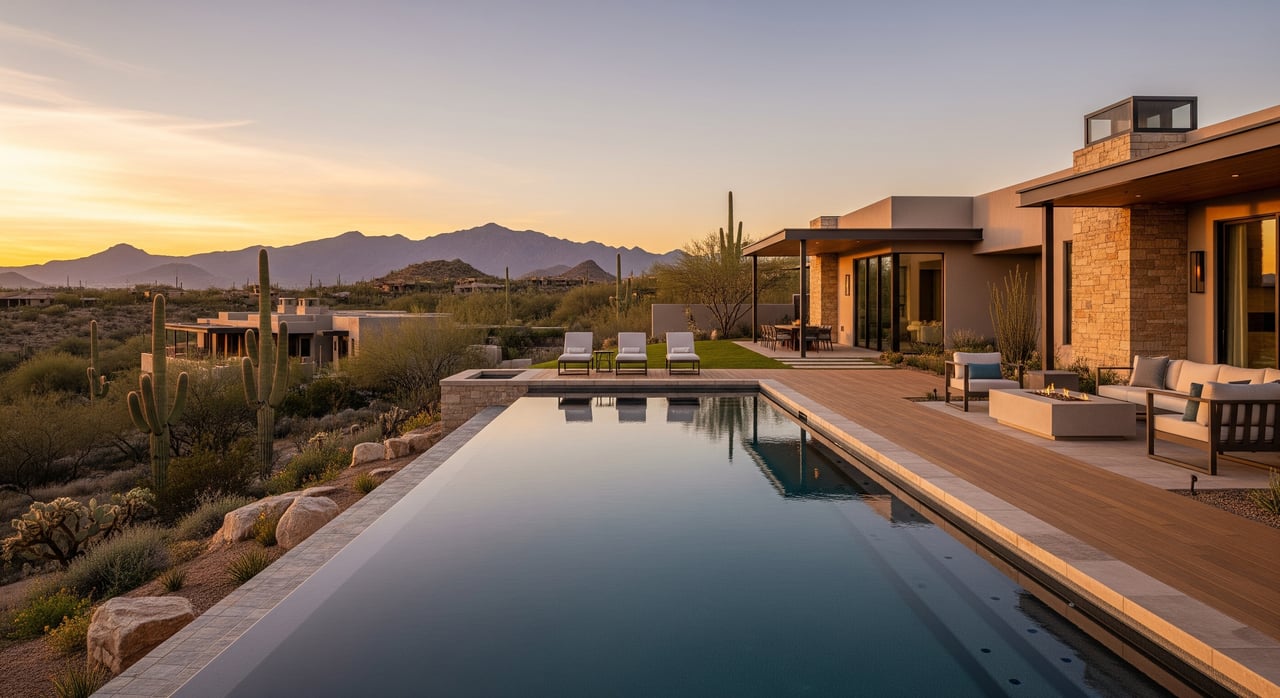
- Outdoor integration: Quality decking, lighting, built-in spas, and shaded seating areas increase appeal.
What we verify before we price
A clean, well-documented pool can add value. Unknowns create hesitation and discounts. Before we recommend a list price, we confirm:
- Permit and inspection history
- Shell and structure condition
- Pumps, filter, heater, automation, and plumbing function
- Electrical and gas safety
- Decking, coping, and trip hazards
- Leak evidence and refill frequency
- Finish age and resurfacing needs
- Fencing and safety compliance
- Cosmetic items like plaster stains or cracked tile
- Maintenance logs and repair invoices
If repairs are needed, we obtain at least one contractor estimate and apply a cost-to-cure adjustment so pricing reflects real-world fixes.
Using comps in your neighborhood
Micro-markets matter. Two similar homes a few blocks apart can behave differently based on subdivision norms and buyer expectations.
- In communities where most homes have pools, a pool may be a baseline feature with a moderate premium for condition and design.
- In more modest price bands, a pool can either attract a specific buyer group or shrink the audience if maintenance and insurance are concerns.
- We analyze recent sales with and without pools, days on market, and sold-to-list ratios to infer the likely pool premium where you live.
Pricing strategy that fits your goals
Your timeline and net proceeds guide the strategy. We align the plan with buyer psychology in our area.
- Strong condition and full documentation: Price at market with clear value. Highlight efficient equipment and safety features.
- Minor fix items: Consider pricing near market minus cost-to-cure, supported by contractor bids. Keep negotiations simple for buyers.
- Major issues or unpermitted work: Price to reflect the risk and disclose repair paths. Transparency saves time on market.
- Faster sale objective: Complete small, visible improvements. Professional cleaning, clear water, tidy equipment, and staged outdoor spaces make a difference.
Seasonal timing and presentation
Pools photograph best when clean and sparkling. In Oro Valley, you can show year-round, but warmer months tend to create stronger emotional pull.
- Schedule photos when the water is clear and the yard is tidy.
- Stage shaded seating and outdoor dining to show how the yard lives.
- If you have a heater, capture photos that show usability beyond summer.
Buyer and investor considerations
If you are buying, look beyond the waterline. Ask about:
- Operating costs: Electricity for pumps and heaters, water for evaporation and refill, and chemicals or service contracts.
- Insurance: Safety requirements and premium changes for pools.
- Long-term maintenance: Finish age, equipment upgrades, and service records.
For investors or STR owners, a pool can support higher nightly rates and occupancy, depending on the property setup and guest profile. We look at rental demand patterns in similar homes, then weigh the incremental revenue against operating and maintenance costs.
Step-by-step: How we build your list price
We pair market data with on-the-ground due diligence so your pricing feels fair and defensible.
- Walkthrough and documentation
- Evaluate pool design, condition, and outdoor integration. Gather permits, service logs, and invoices.
- Specialist checks and bids
- Recommend a pool inspection if needed. Obtain at least one contractor estimate for repairs or resurfacing.
- Micro-market analysis
- Pull recent comps in your subdivision. Compare pool age and features, and assess days on market.
- Pricing model
- Apply sales comparison adjustments. Cross-check with cost approach for newer or unique pools. Consider income effects for rentals.
- Strategy alignment
- Match pricing to your goals, timing, and repair appetite. Decide on pre-list repairs versus a clear cost-to-cure credit.
- Marketing plan
- Highlight energy and water efficiency, safety compliance, and recent upgrades. Stage outdoor living for photos and showings.
- Ongoing review
- Monitor feedback and market activity. Adjust if buyers signal concern about repairs, insurance, or operating costs.
What to expect in negotiations
Buyers respond to clarity. When you show permits, service records, and recent maintenance, you reduce questions and improve leverage.
- Expect inspection requests to focus on equipment life, leaks, and safety compliance.
- If the pool needs work, buyers often seek a price reduction beyond the repair cost to cover hassle and risk. We prepare for that with real bids and a proactive plan.
- Clean documentation and a sparkling presentation can shorten time on market and support stronger offers.
Bottom line for Oro Valley pool homes
A pool can be a strong asset in our desert lifestyle. The value you capture depends on condition, compliance, operating costs, and how well your home fits buyer expectations in your neighborhood. With the right prep, clear documentation, and a pricing plan tied to real comps, you can move forward with confidence.
If you want a clear, data-backed price for your pool home or you are deciding whether to repair before listing, let’s talk. Reach out to Laurie Wilson to review your goals, discuss strategy, and map next steps. Contact Laurie to Get Started.
FAQs
How much value does a pool add in Oro Valley?
- It varies by neighborhood, condition, and buyer preferences. In mid to upper segments, a well-maintained, permitted pool often adds value, while unpermitted or poor condition reduces it.
Do I need permits and safety features to sell?
- Yes. Pools must comply with Town of Oro Valley codes and safety regulations, and HOA covenants may apply. Unpermitted work can lower value and slow a sale.
Should I repair my pool before listing?
- Minor, visible improvements and documented service usually help. For bigger items, you can either fix first or price with a cost-to-cure credit based on contractor bids.
How do you choose comps for pool homes?
- We focus on recent sales in the same subdivision or a close match, prefer similar pool quality and age, and adjust for condition, equipment, and outdoor features.
What extra costs do buyers consider with pools?
- Buyers weigh water and electricity usage, routine service, chemicals, and insurance requirements. Efficiency upgrades and clear records help reduce concerns.