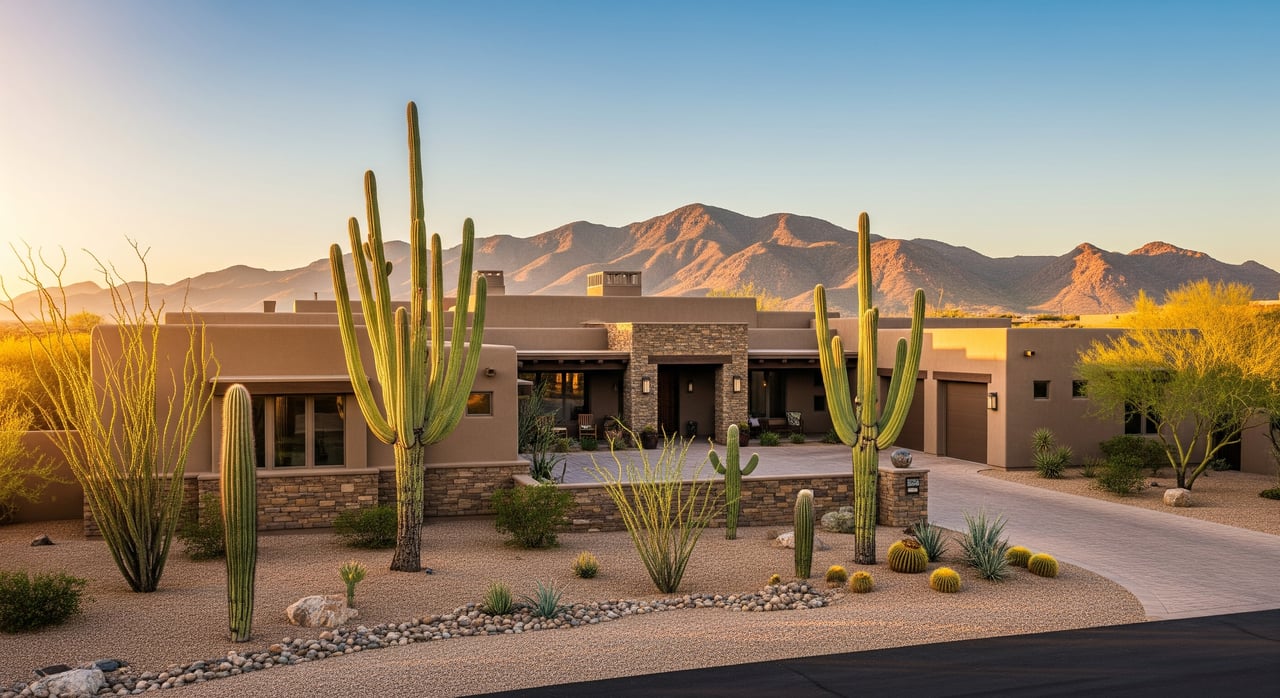
Dreaming of more space, mountain views, and a relaxed desert lifestyle? If Marana is on your radar, you might be wondering which neighborhoods fit your needs and how the daily commute really feels. You want clear, practical guidance before you commit. This guide breaks down neighborhood types, commute ranges, and the everyday logistics that matter when you move. Let’s dive in.
How Marana is laid out
Marana sits on the northwest side of the Tucson metro. You will find a mix of settings, from newer suburban subdivisions to resort-style master-planned areas, plus rural acreage and equestrian properties. The feel changes block by block depending on proximity to major corridors, mountain views, and open desert.
Expect four broad categories:
- Master-planned and resort communities with HOAs, amenities, and maintained common areas.
- Newer suburban subdivisions with parks and community features.
- Traditional central Marana with older homes and small-town commercial clusters.
- Rural and equestrian acreage on larger lots with wells and septic.
Neighborhood types to compare
Master-planned and resort
These areas often feature gated sections, golf access, resort amenities, and consistently maintained landscaping. HOA rules and fees vary, and some communities have age-restricted sections or rental guidelines. A prominent example to explore is the resort-focused area near the Tortolita Mountains commonly associated with luxury amenities and mountain views. Confirm HOA costs, guest and rental policies, and access to facilities before you buy.
What to weigh:
- HOA fee level and what it covers
- Deed restrictions and rental rules
- Proximity to trails, golf, and services
Newer suburban subdivisions
Developer-built homes on standard lots are common across Marana. You will see neighborhood parks, walking paths, and schools nearby. Builders may offer warranties on new construction, and some communities have future phases planned.
What to weigh:
- Builder warranty terms and completion timelines
- Resale comparables and future phases
- Drive time to shopping and major corridors
Central Marana
Older homes and small commercial clusters create a practical, small-town feel. You will find local services and more established streetscapes. It is worth checking any redevelopment plans or municipal service updates that could shape future value and convenience.
What to weigh:
- Zoning or redevelopment plans
- Utility and municipal service coverage
- Access to parks and neighborhood centers
Rural and equestrian acreage
If you want elbow room, rural parcels offer larger lots and horse-friendly setups. Many rely on wells and septic rather than municipal utilities. Road maintenance can vary, and some areas have higher wildfire exposure. Insurance and due diligence matter.
What to weigh:
- Well permits, water production, and septic inspections
- Road maintenance responsibility and access
- Firewise planning and insurance quotes
Commute and transportation at a glance
Typical drive times
Personal vehicles are the primary way people get around. Your drive depends on where you live and when you travel. Use these ranges as a general guide and test routes at your typical commute time.
- Central or closer-in Marana to downtown Tucson: about 20 to 40 minutes, depending on traffic
- Outlying or rural Marana to downtown Tucson: about 30 to 50 minutes
- To Oro Valley and northwest Tucson job centers: often 15 to 30 minutes from eastern Marana
- To Tucson International Airport: roughly 25 to 45 minutes
- To Phoenix for intercity travel: about 2 to 2.5 hours, depending on traffic and stops
Major routes
Marana connects to Tucson and Phoenix through regional interstate corridors and key arterials. Locations closer to these corridors usually benefit from shorter drive times. Verify the specific route names and exits for your address and check any planned road projects that could affect future travel.
Transit and active options
Public transit coverage is limited compared with central Tucson, so most residents drive. Some regional services and park-and-ride options may exist, but frequency and coverage vary. Newer neighborhoods often include multi-use paths and bike lanes for local rides and recreation, though long commutes by bike are less common.
Congestion and weather
Expect weekday peaks into and out of Tucson job centers. Monsoon storms can affect visibility and cause flash flooding in washes. Summer heat puts extra strain on vehicles, so plan maintenance accordingly. Visitor seasons and shopping areas can see extra traffic at times.
Practical moving checks in Marana
Utilities and services
Some neighborhoods have municipal water and sewer, while many rural properties use private wells and septic systems. Electric and gas service can vary by area, and some rural addresses use propane. Internet options range from fiber in newer subdivisions to satellite in remote pockets. Test cellular coverage at the property.
Key steps:
- Confirm water and sewer provider or well permit status
- Verify electric and gas service options
- Check broadband availability at the exact address
- Test cell reception on your carrier
Taxes, insurance, and HOAs
Arizona property taxes are based on assessed value and are moderate compared with many states, but final bills vary by parcel. Rural or brush-adjacent homes may face higher wildfire exposure, so get quotes early and ask about mitigation. HOA communities can include monthly or annual fees and occasional special assessments. Review budgets and upcoming projects before you commit.
Schools and childcare
Much of Marana is served by Marana Unified School District, and some areas fall into neighboring districts. Always verify attendance boundaries for a specific address. Private and charter options exist across the Tucson area, though availability varies by location and year.
Inspections by property type
- Rural properties: schedule well and septic inspections, confirm water availability, check floodplain maps, and clarify road access and maintenance.
- New construction: confirm builder warranty coverage, utility connections, and timelines.
- Resort or HOA properties: review CC&Rs, rental policies, amenity access, and special use restrictions.
Build your short list
Use this simple process to focus your search and reduce surprises.
- Define must-haves vs. nice-to-haves
- Lot size and yard use
- HOA vs. non-HOA living
- Commute time tolerance and access to major corridors
- Mountain or desert view preferences
- Test the commute
- Drive your exact route during peak hours
- Try an alternate route for comparison
- Visit at different times
- Daytime, evening, and weekend for noise and activity
- Note parking, traffic, and lighting
- Gather address-specific data
- Property tax history and HOA fees
- School boundaries and district contacts
- Utility providers and broadband options
- Crime data from local law enforcement resources
- Engage local pros early
- Work with a Marana-based agent
- Hire inspectors familiar with desert and rural systems
- Use a lender experienced with well and septic, if needed
- Verify connectivity
- Confirm internet speeds for remote work
- Test mobile coverage inside and outside the home
Who Marana fits
You might choose Marana if you want newer homes, outdoor access, and a bit more breathing room than denser city neighborhoods. Suburban subdivisions and master-planned areas appeal if you value amenities and maintained common spaces. Rural parcels can be a fit if you want acreage, equestrian potential, or privacy. Investor-owners and second-home buyers may also find opportunities, especially in communities with clear rental policies.
Ready to explore Marana?
If you are weighing commute trade-offs, HOA rules, or rural due diligence, having a local guide helps. For personalized neighborhood tours, address-specific checks, and a plan that fits your timeline, reach out to Laurie Wilson. Our boutique, hospitality-first approach supports primary buyers, second-home seekers, and investor-owners from search to closing and, if desired, professional vacation-rental management.
FAQs
How long is the commute from Marana to downtown Tucson?
- Most residents can expect about 20 to 40 minutes from central or closer-in areas and 30 to 50 minutes from outlying or rural locations. Always test your route during peak hours.
Is public transit a practical option in Marana?
- Transit is limited compared with central Tucson, so most residents drive. Check regional services and park-and-ride options, but plan on a personal vehicle for daily commuting.
Which Marana areas suit buyers seeking newer homes and parks?
- Newer suburban subdivisions across Marana often include neighborhood parks and paths. Verify school boundaries for your address and compare community amenities and HOA details.
What should I check before buying a rural or horse property in Marana?
- Confirm well permits and production, schedule septic inspections, review floodplain and access, determine road maintenance responsibility, and get wildfire-ready insurance quotes.
Are there luxury or golf-focused communities in Marana?
- Yes, Marana includes master-planned, resort-style areas that prioritize golf, views, and amenities. Review HOA rules, fees, and facility access details as you compare neighborhoods.