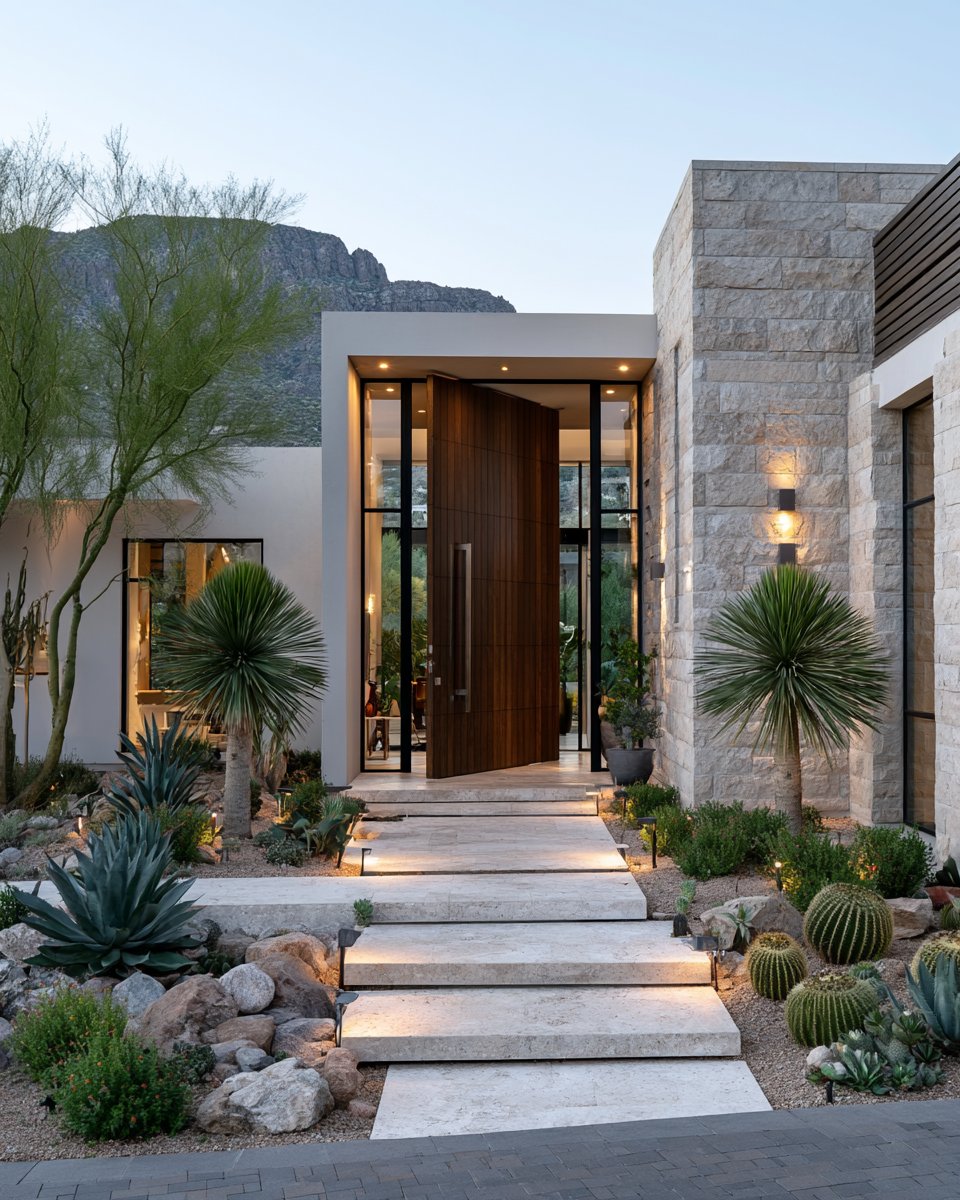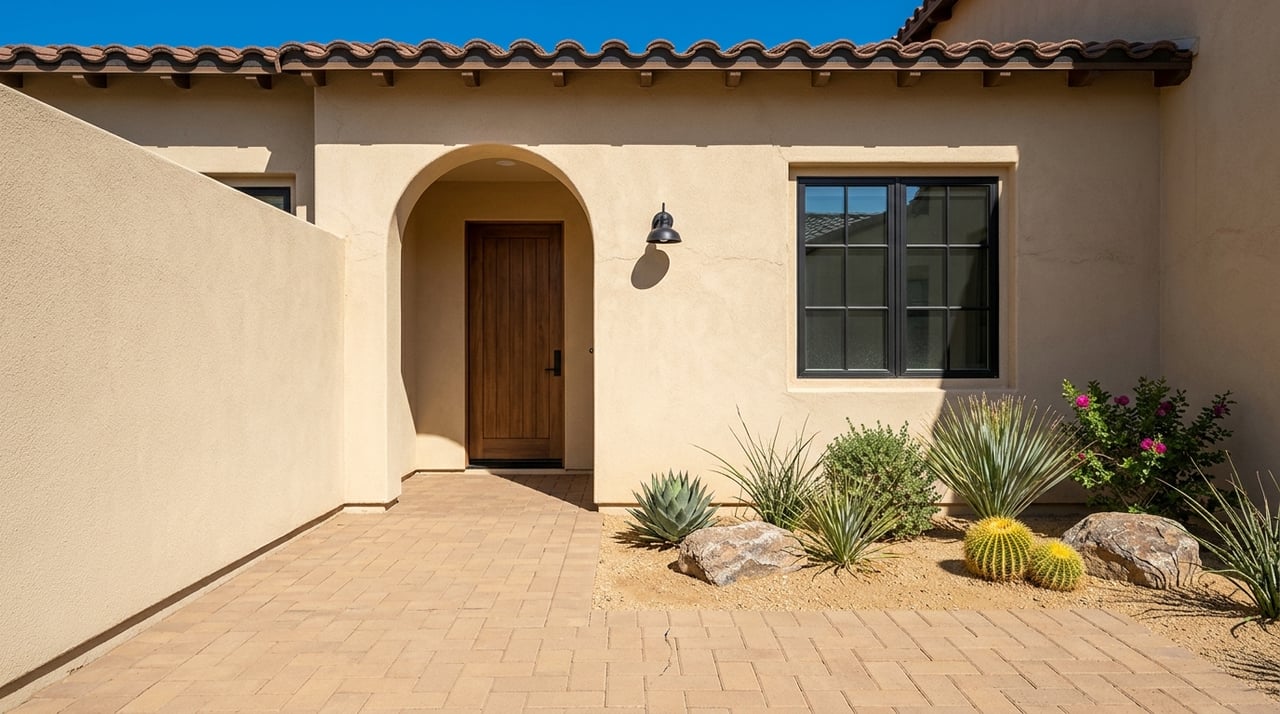
Wondering whether a townhome or a house makes more sense in Green Valley? You are not alone. In this area, the choice often comes down less to home size and more to how you want to live day to day, especially when it comes to upkeep, outdoor space, HOA rules, and seasonal convenience. This guide will help you compare both options so you can make a confident move in Green Valley. Let’s dive in.
Why this choice feels different in Green Valley
Green Valley has a housing profile that stands out in Pima County. Census and ACS data show a market with high owner occupancy at 86.2%, about 13,500 households, and an average household size of 1.62. The same data also show that 87.5% of residents lived in the same house one year earlier, which points to a stable market where long-term comfort and maintenance can matter a lot.
The local setup also shapes how buyers think about housing here. The Green Valley Council says more than 90% of the population lives in HOAs, and those HOA documents may address landscaping, paint colors, parking, RV storage, and plant choices. That means your real decision is often not just townhome versus house, but also how much exterior control and shared responsibility you want.
Another key factor is Green Valley Recreation, often called GVR. GVR says it serves about 80% of households, operates 15 recreation centers, and uses a deed restriction that transfers with the property and cannot be canceled. Membership is not age restricted, so it is important to understand whether a specific property is tied to GVR before you buy.
What townhome living often looks like
In Green Valley, townhome living often appeals to buyers who want a simpler routine. Fannie Mae notes that in some townhome communities, an HOA may handle some or all exterior maintenance, but the exact owner responsibilities depend on the CC&Rs. In local communities such as Green Valley Townhouse VI and Green Valley Townhouse 5, HOA structures highlight landscape care, home maintenance, and common-area upkeep.
That setup can make daily life feel easier. You may have less yard work, fewer exterior projects, and a more convenient lock-and-leave option if you spend part of the year away. In a hot southern Arizona climate, where nearby Tucson averages 68 days per year at 100 degrees or higher, that lower-maintenance setup can be especially appealing.
Townhome living can also come with more shared rules. Because the HOA is often involved in preserving the look and maintenance of the community, you may have less freedom over landscaping, paint colors, or exterior changes. For some buyers, that is a welcome tradeoff for convenience. For others, it can feel limiting.
Some townhome communities in Green Valley are also age-restricted. For example, Green Valley Townhouse 5 describes itself as a 55+ community. That is why it is smart to look beyond the floor plan and confirm the age restrictions, HOA terms, and GVR relationship tied to the property.
What single-family house living often looks like
A single-family house in Green Valley usually gives you more private outdoor space and more day-to-day control. That can be a strong fit if you want room for gardening, hobbies, or simply more separation between you and neighboring homes. Local examples such as Desert Meadows 3 highlight larger lots, mature landscaping, and well-maintained detached homes.
At the same time, a detached home does not always mean no HOA. San Ignacio Ridge Estates is a single-family community that still has common-area maintenance and architectural control. In other words, a house may give you more privacy and flexibility, but you still need to read the rules carefully.
A house also tends to bring more direct maintenance responsibility. Fannie Mae’s single-family maintenance guidance points to regular attention for roofs, drainage, gutters, pests, and exterior systems. If you enjoy hands-on home care, that may feel manageable. If you want less to think about while traveling or during the summer heat, it may feel like more work than you want.
Townhome vs house at a glance
| Feature | Townhome | Single-Family House |
|---|---|---|
| Exterior upkeep | HOA may handle some exterior tasks, depending on CC&Rs | Owner usually handles more directly |
| Yard and outdoor care | Often less private yard work | Usually more private outdoor space |
| Exterior changes | Often more HOA control | More flexibility, but HOA rules may still apply |
| Lock-and-leave ease | Often easier for seasonal use | Can require more planning and upkeep |
| Community structure | Common in HOA-centered neighborhoods | May still be in an HOA, but often with more private space |
Which option fits snowbirds best?
If you plan to live in Green Valley seasonally, a townhome may feel like the easier fit. With HOA-managed landscaping or exterior maintenance in some communities, you may have fewer worries when you are away. That lock-and-leave simplicity is one reason attached homes are often attractive in this market.
The climate adds to that appeal. Nearby Tucson climate data show mild winters, with an average January high of 66.5 degrees, and very hot summers, with an average July high of 100.2 degrees. If you are leaving for part of the year, a lower-maintenance property can be easier to manage from a distance.
Still, not every seasonal buyer wants a townhome. Some prefer a detached house for the extra patio space, privacy, or room to spread out during longer stays. In Green Valley, the better answer usually comes from the specific community rules and maintenance structure, not just the property type alone.
Which option fits full-time living best?
If you plan to live in Green Valley year-round, a single-family house may give you more breathing room. You may appreciate the larger lot, more private outdoor space, and extra flexibility for personal use of the property. That can be especially helpful if you want to garden, entertain outdoors, or customize your surroundings within community guidelines.
That said, full-time residents are not all looking for more work. Some buyers want the convenience of a townhome so they can spend less time on upkeep and more time enjoying the area. In a market where many residents stay long term, comfort with the HOA structure can matter just as much as square footage.
Canoa Ridge is a good reminder that the lines are not always simple. It includes both townhomes and stand-alone houses within the same age-restricted retirement community, and all are in the GVR district. That kind of setup shows why it is important to compare each subdivision on its own terms.
Five questions to ask before you choose
Before you decide between a townhome and a house in Green Valley, make sure you get clear answers to these questions:
- What does the HOA actually cover? Ask about landscaping, exterior walls, roofs, paint, streets, and common areas.
- Is the property tied to GVR? GVR membership transfers with the property and cannot be canceled when deed restricted.
- Is the community age-restricted? Green Valley includes both 55+ communities and properties that are not age restricted.
- How much outdoor space do you want? Think honestly about whether you want a yard, garden area, or more private patio space.
- What rules affect daily use? Review restrictions related to parking, RV storage, exterior colors, and landscaping.
These questions can tell you more than a listing description ever will. In Green Valley, the details inside the CC&Rs and community setup often shape your experience just as much as the home itself.
A practical way to decide
If your top priority is convenience, simpler exterior care, and an easier lock-and-leave lifestyle, a townhome may be the better fit. If your top priority is private outdoor space, more room to personalize, and a little more separation, a single-family house may suit you better.
Neither option is automatically better in Green Valley. The strongest choice is the one that matches how you want to spend your time, how involved you want to be in maintenance, and how comfortable you are with the rules of a specific community. When you look closely at HOA coverage, GVR obligations, and property layout together, the right answer usually becomes much clearer.
If you want help comparing neighborhoods, HOA setups, and the day-to-day feel of different Green Valley communities, Laurie Wilson can help you narrow the options and find the fit that feels right for your lifestyle.
FAQs
Is a townhome or house better for seasonal living in Green Valley?
- A townhome is often the easier fit for seasonal living because some HOAs handle parts of exterior maintenance and landscaping, which can simplify lock-and-leave ownership.
Do single-family houses in Green Valley still have HOA rules?
- Yes. Some detached-home communities in Green Valley have HOA dues, common-area maintenance, and architectural rules, so you should review the CC&Rs carefully.
Is Green Valley Recreation required with every home in Green Valley?
- No. GVR says it serves about 80% of households, so not every property is tied to it, but deed-restricted membership transfers with the property and cannot be canceled.
Are all townhomes in Green Valley age-restricted?
- No. Some townhome communities are age-restricted, but GVR membership itself is not age restricted, so you need to verify the rules for each specific property.
What matters most when comparing homes in Green Valley?
- The biggest factors are often HOA coverage, GVR status, age restrictions, private outdoor space, and how much maintenance and exterior control you want.