If you want to sell your Green Valley home smoothly, the smartest work often happens before the listing goes live. In this market, buyers are looking closely at condition, comfort, and how easily they can picture day-to-day life in the space. A little planning now can help your home show better, photograph better, and avoid preventable surprises later. Let’s dive in.
Know What Makes Green Valley Different
Green Valley is not a one-size-fits-all market. The area has a wide range of home sizes, styles, and HOA structures, with more than 130 HOAs in the community, so your prep plan should fit your specific property rather than follow a generic checklist.
Local context matters, too. Green Valley is an unincorporated community in the Santa Cruz River Valley, and the area’s setting, outdoor lifestyle, and retiree-heavy population shape what buyers tend to notice first. That often means low-maintenance living, outdoor comfort, and clean presentation carry real weight.
Start With Light and Photos
Your listing photos will do a lot of the first showing for you. Staging guidance cited in the research shows buyers respond well to homes that feel clean, bright, and easy to imagine living in, and photos are especially important in that process.
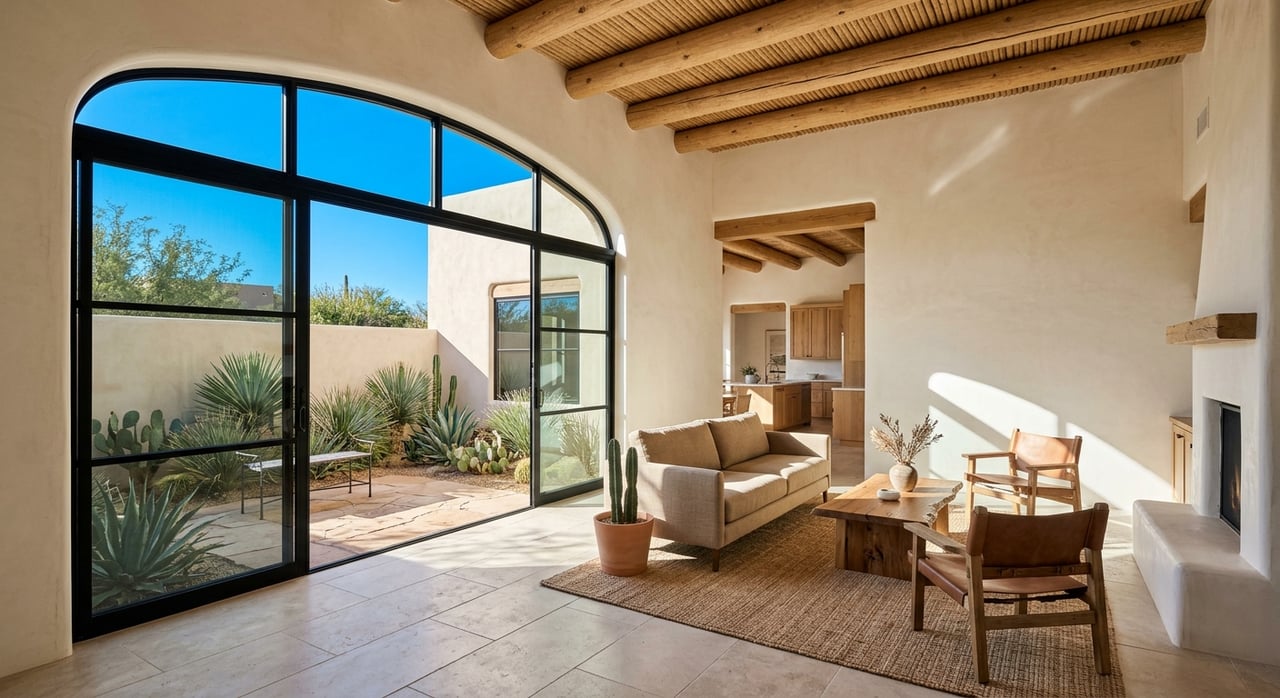
In Green Valley, bright desert light can either help your home shine or make it feel harsh and busy. The goal is to soften the look of the space so the light feels intentional.
Focus on the most-seen rooms
Start with the living room, primary bedroom, and dining area. These are the rooms most often staged, and they tend to carry the strongest visual impact in online photos.
Keep each room simple and open. Remove extra furniture, clear surfaces, and store away personal items that distract from the space itself.
Let natural light work for you
Open window coverings and make sure windows are clean. Natural light can make rooms feel larger and more welcoming, especially when paired with neutral wall colors and calm decor.
If a room feels overly bright, avoid adding visual clutter to compensate. Instead, use streamlined decor and a quieter color palette so the room feels balanced on camera.
Make Outdoor Areas Part of the Plan
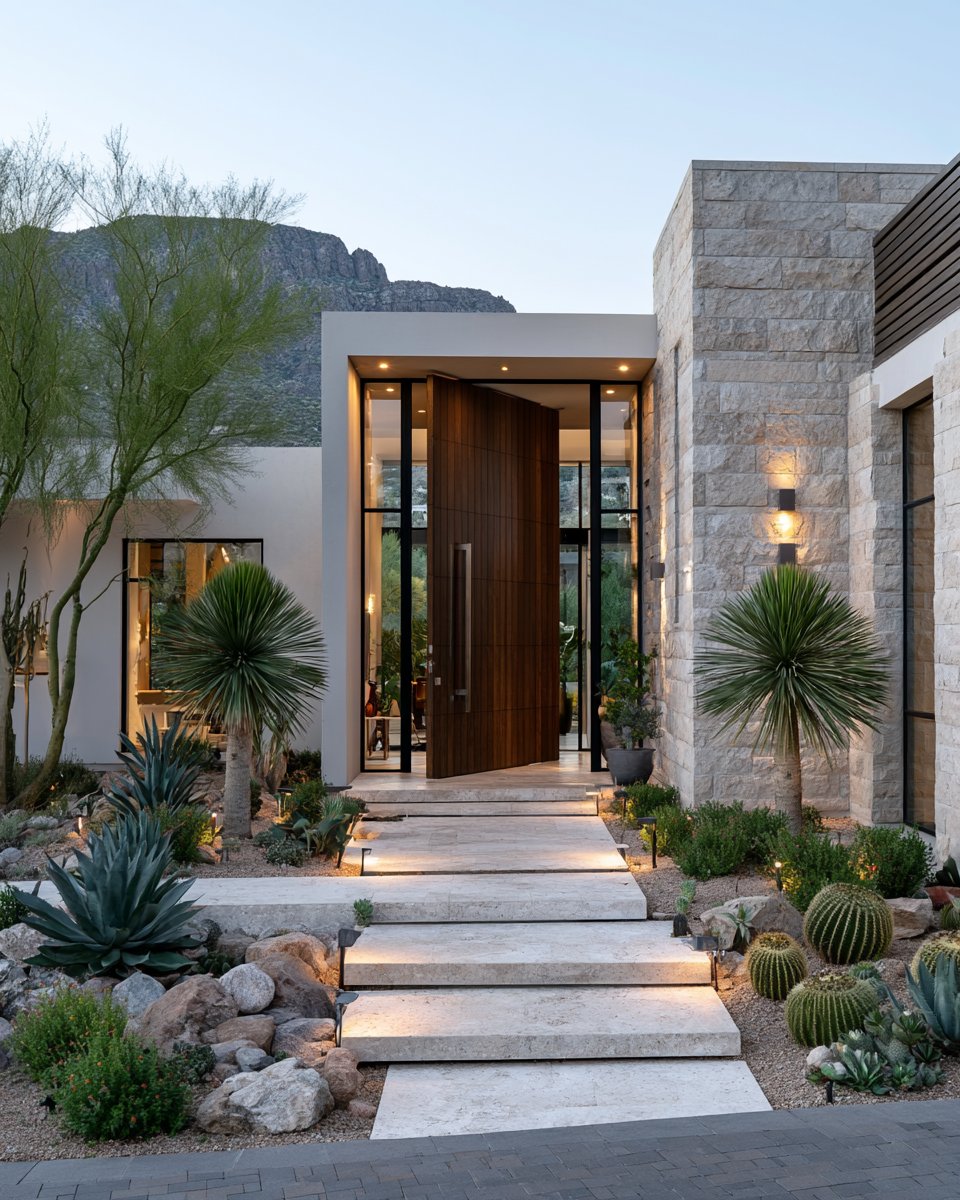
In Green Valley, outdoor spaces are not just bonus areas. With local recreation and outdoor living playing such a visible role in the community, patios, shade, walkways, and yard condition should be treated as key selling features.
A buyer may form an opinion before even stepping inside. That makes exterior prep just as important as interior staging.
Clean for desert conditions
Dust shows quickly in Southern Arizona, and monsoon season can bring blowing dust, gusty winds, and storm-related mess. A standard cleanup should go beyond a quick sweep.
Before listing, plan to:
- remove dust and debris from patios, entry areas, and outdoor furniture
- trim plants and refresh desert landscaping
- check irrigation for leaks or poor coverage
- repair anything that looks faded, loose, or storm-worn
- make sure walkways and outdoor lighting look maintained
Highlight comfort outside
If your home has a covered patio, shade feature, seating area, or mountain-view orientation, prep those spaces carefully. Buyers often respond well to outdoor areas that feel easy to enjoy right away.
The goal is not to overdesign the yard. It is to help buyers see a clean, usable outdoor space that fits the Green Valley lifestyle.
Fix Inspection Issues Before Buyers Find Them
Arizona buyers are encouraged to review condition closely and use professional inspections, so sellers should expect questions about anything that looks deferred, damaged, or undocumented. Taking care of likely red flags early can reduce stress once you are under contract.
This is one of the most valuable prep steps because it helps you move from guessing to knowing.
Check the roof and core systems
If your roof is 10 years old or older, the Arizona Department of Real Estate Buyer Advisory recommends a roof inspection by a licensed roofer. That does not mean there is a problem, but it does mean you should understand the roof’s condition before a buyer raises concerns.
You should also verify that cooling, heating, plumbing, and electrical systems are functioning as expected. In Southern Arizona, cooling performance is especially important because buyers will notice comfort issues quickly.
Watch for Arizona-specific concerns
The Arizona Buyer Advisory also flags termites and other wood-destroying insects, along with scorpions, roof rats, and mold concerns tied to moisture. These are not issues to ignore just because they are out of sight.
If you have seen pest activity, water staining, standing water, or signs of prior moisture problems, address them before listing. Clean-up, repairs, and documentation are easier to manage on your timeline than during negotiations.
Be careful with older homes
If your home was built before 1978, known lead-based paint information must be disclosed before the sale contract is signed. Sellers also must provide the required lead pamphlet and give the buyer an opportunity to inspect or assess lead hazards.
If you are doing any touch-up painting or repairs before listing, keep in mind that renovation work in older homes can create dangerous lead dust. That makes careful planning especially important.
Check Pools, Spas, and Safety Items
If your home has a pool or spa, include it in your prep timeline early. A general home inspection may exclude these features, so a separate pool or spa inspection may be needed.
Arizona also has pool-barrier requirements, which means gate and latch safety should be verified before the home hits the market. If a buyer spots an obvious safety issue, it can raise avoidable concerns about overall maintenance.
Get HOA and Property Documents Ready
Green Valley’s large number of HOAs makes document prep a major step, not a minor one. Buyers are directed to review HOA governing documents, disclosures, and CC&Rs, and some HOAs charge fees when a property is sold.
That means you do not want to wait until the last minute to gather what is needed. A missing document can slow momentum when a buyer is ready to move forward.
Gather these items early
Before listing, it helps to organize:
- HOA governing documents and disclosures
- CC&Rs
- tax records
- repair invoices and contractor information
- permits for remodeling, additions, or major repairs
- any professional inspection reports you already have
Having these materials ready sends a strong message that your home has been cared for and that the sale is being handled thoughtfully.
Plan Ahead for Septic or Wastewater Requirements
Some Green Valley properties may use an on-site wastewater system rather than public sewer. If that applies to your home, Arizona requires a qualified transfer-of-ownership inspection within six months before transfer, and the seller must provide the report and related records to the buyer.
This is exactly the kind of item that can catch sellers off guard if they wait too long. If your property has this system, build extra time into your prep calendar.
Think in Months, Not Just Weeks
Some sellers can prep and list quickly, but many Green Valley homes benefit from a longer runway. If you need roof work, septic-related inspections, pool compliance checks, lead documentation, or HOA paperwork, a rushed timeline can create unnecessary pressure.
In many cases, the smartest approach is to think in months rather than weeks. That gives you time to schedule inspectors, complete repairs, organize records, and present the home in its best light.
Consider comfort and seasonality
A practical launch window may often be the cooler season, when showings are more comfortable and exterior spaces tend to show well. While this is not based on a formal MLS seasonal study, it fits Green Valley’s climate and the area’s local market profile.
If you are aiming for a specific listing date, work backward from that goal. Build in time for cleaning, staging, photography, document collection, and any specialist inspections your home may need.
Create a Selling Experience That Feels Easy
The best prep does more than make your home look good. It helps the entire sale feel more organized, more transparent, and more comfortable for buyers.
That matters in Green Valley, where many buyers are looking for a home that feels easy to step into and easy to maintain. When your property looks bright, cared for, and well-documented, you make that decision simpler.
If you are getting ready to sell and want a thoughtful, hospitality-first approach to preparing and marketing your home, Laurie Wilson can help you map out the right next steps for your Green Valley property.
FAQs
What should sellers fix before listing a Green Valley home?
- Focus first on visible maintenance issues, roof and system concerns, exterior wear, pest or moisture problems, and anything likely to come up in a buyer inspection.
How important is outdoor space when selling a Green Valley property?
- Outdoor areas matter a lot because patios, shade, walkways, landscaping, and pool or spa areas are often part of how buyers evaluate comfort and lifestyle in this market.
Do Green Valley home sellers need HOA documents ready before listing?
- It is wise to gather HOA documents early because Green Valley has many HOA-governed properties, and buyers are typically directed to review governing documents, disclosures, and CC&Rs.
What if a Green Valley home has a septic or on-site wastewater system?
- If the property uses an on-site wastewater system, Arizona requires a qualified transfer-of-ownership inspection within six months before transfer, and the seller must provide the report and related records to the buyer.
Should sellers in Green Valley get a roof inspection before listing?
- If the roof is 10 years old or older, the Arizona Department of Real Estate Buyer Advisory recommends a roof inspection by a licensed roofer before the sale moves forward.
Do older Green Valley homes have special disclosure rules?
- Yes. If the home was built before 1978, known lead-based paint information must be disclosed before the contract is signed, and the required lead information must be provided to the buyer.