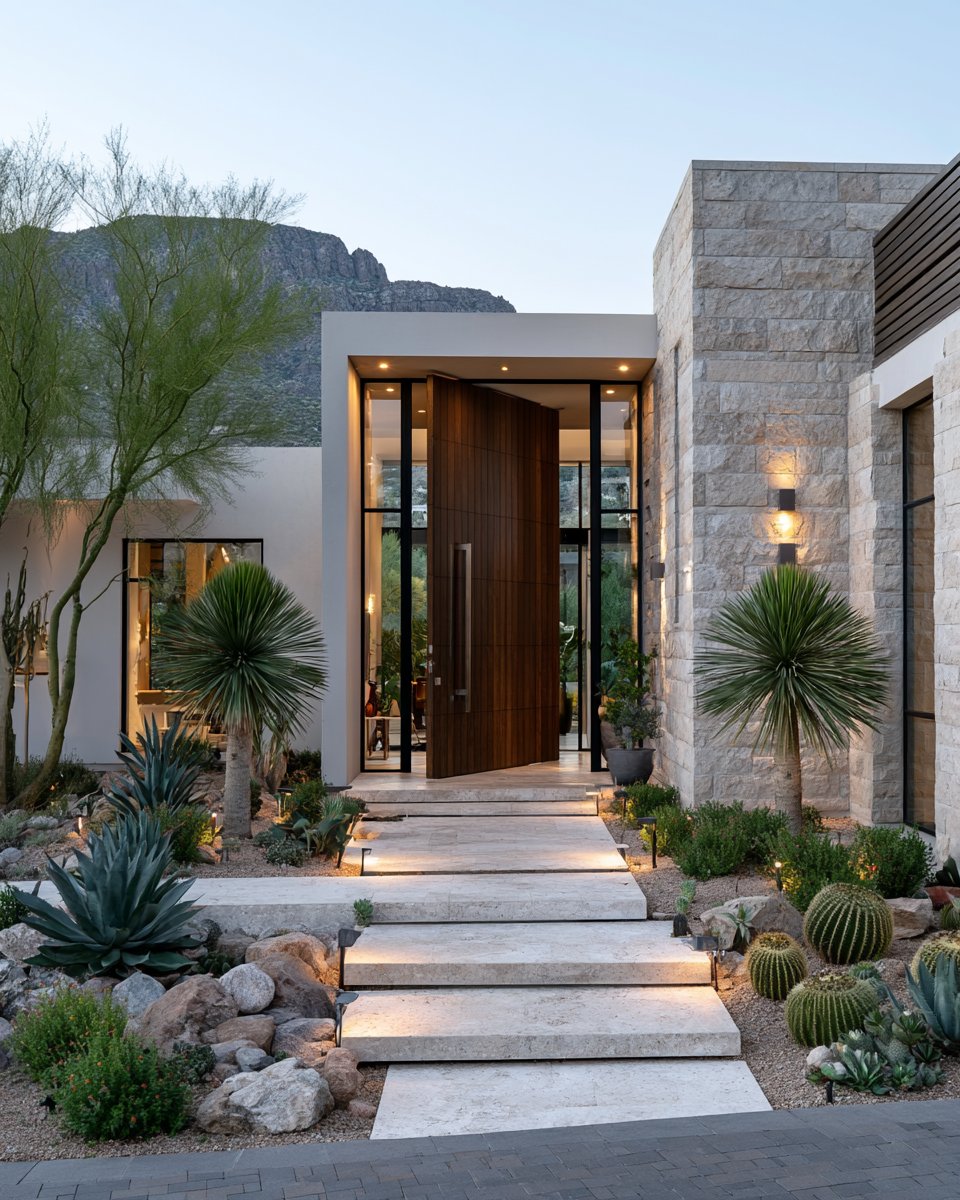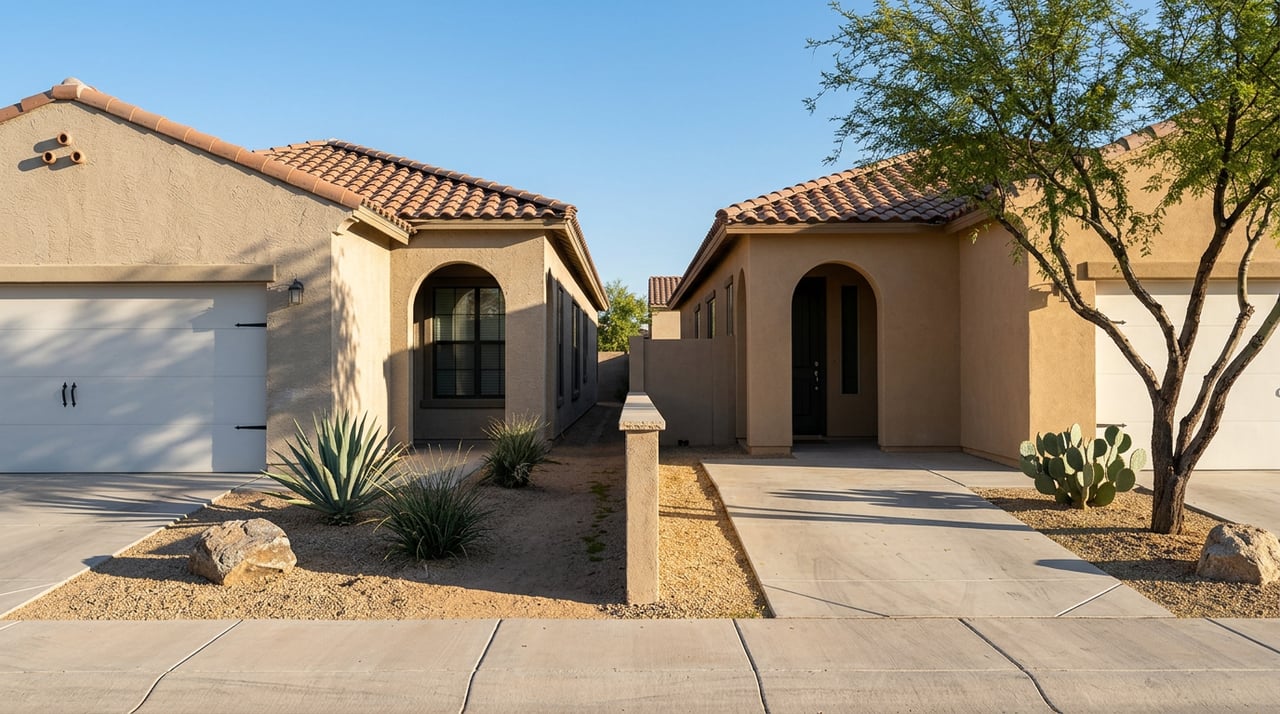
Picture two houses on the same cul-de-sac in Green Valley. Same builder, same 1,600 square feet, same year, same list price down to the dollar. A buyer comparing them on paper would call it a coin flip. It isn't. One of those homes carries a permanent financial obligation the other doesn't, and nothing about the exterior, the floor plan, or the asking price will tell you which is which.
The obligation is membership in Green Valley Recreation, known locally as GVR. It's the single most consequential line item that never shows up in a listing photo, and understanding how it actually attaches to a property, rather than to a neighborhood's reputation, is the difference between a smooth closing and an unpleasant surprise at the title company.
GVR Is Not a Neighborhood Amenity. It's a Property Right.
GVR is a nonprofit that operates recreation centers across Green Valley: pools, fitness centers, pickleball and tennis courts, woodworking and ceramics studios, and a performing arts venue at its West Center. Members get access to more than a dozen of these facilities regardless of which subdivision they live in, along with more than 60 clubs and hundreds of classes each year. On paper it sounds like an HOA amenity package. It isn't structured like one.
Membership is deeded to the property itself. When a GVR-restricted home sells, the new owner inherits the membership automatically. There is no opting out, no cancellation path, and no sunset clause. Officially, GVR states that membership itself is not age restricted, even though many of the subdivisions built around it market themselves as 55+ communities. That gap between how a neighborhood is marketed and what its deed actually says is worth sitting with, because it's the same gap that trips people up on the GVR question itself.
The Same Subdivision Can Give You Two Different Answers
Here is the part that catches buyers and even some builders off guard: GVR status is not a subdivision-wide fact. It's a parcel-by-parcel fact, and within a single development the answer can change from lot to lot.
Country Club Vistas is a clear example. GVR's 2026 work-session materials list voluntary deed restrictions on some properties in Country Club Vistas I and II, rather than a blanket requirement across those subdivisions. Green Valley Fairways tells a similar story. Membership there is voluntary, so some of the 759 homes across its three subdivisions already carry the deed restriction and some never have. Villas Santa Rita is voluntary as well, not a blanket requirement across the community.
None of this is visible from the street. A buyer touring homes in any of these communities cannot assume that because the model down the block has GVR, the one they're writing an offer on does too, or vice versa. The only way to know is to confirm it against the specific parcel, typically through the title report or by contacting GVR's membership office directly.
Even builders have faced disputes over this. As the Green Valley News reported, Green Valley Recreation filed a lawsuit against Meritage Homes of Arizona over homes sold in the Canoa Ranch subdivision that GVR claimed should have carried the deed restriction under the development's master agreement but didn't. The lawsuit illustrates that questions about a deed restriction can surface even after homes have been sold.
What Membership Actually Costs, and Why the Number Keeps Moving
For 2026, GVR households pay $545 in annual dues. Buying into an existing GVR-restricted home adds a one-time Membership Change Fee of $3,200 at close of escrow, plus a $470 transfer fee. Together, that's roughly $3,670 due at closing before the first year of ongoing dues even begins, on top of whatever else the transaction already costs.
These numbers move every year, and not randomly. GVR's board sets dues and fees each fall as part of its annual budget process, and the pattern over the last several years has been steady rather than erratic:
| Year | Annual Dues | Membership Change Fee |
|---|---|---|
| 2024 | $515 | $3,000 |
| 2025 | $530 | $3,100 |
| 2026 | $545 | $3,200 |
Dues have risen $15 a year for three straight years. The Membership Change Fee has risen $100 a year on the same schedule. That consistency matters for anyone doing the math on a purchase, because it means the $545 you'd pay in year one is not the number to plan around for year five.
There's a second layer here that matters even more for long-range planning. GVR's own budget documents show that the organization has a formula for what dues theoretically should be, tied to inflation and Social Security cost-of-living adjustments, and that actual dues have run below that formula for two decades. The gap between what the formula would produce and what members actually pay has widened from about $13 in 2004 to roughly $160 by 2025. In plain terms, GVR has been holding dues below its own benchmark for years, which is good news for current members but also means there's a structural gap that hasn't gone away. A board under pressure to fund aging pool and facility replacements has more room to raise dues faster than the recent $15-a-year pace, not less, simply to start closing that gap.
The Legal Reality Behind the Deed Restriction
This isn't a soft HOA preference that a homeowner can quietly ignore. Arizona's Court of Appeals addressed the enforceability of GVR's Master Deed Restriction directly in Nickerson v. Green Valley Recreation, Inc., ruling that the restriction runs with the land because membership confers a real benefit to the property, what the court described using the legal standard that a restriction must "touch and concern the land" to bind future owners. The court upheld the restriction even for homeowners outside the subdivisions most directly served by GVR's facilities. Once a parcel is deed restricted, it stays that way through every future sale, which is exactly why confirming status before you're under contract matters more than confirming it after.
How to Actually Check Before You Write an Offer
- Ask the listing agent directly whether the specific parcel, not just the subdivision, carries the GVR deed restriction
- Request confirmation from GVR's membership office once you're in escrow, since a title report will show the restriction if one is recorded
- If you're buying a non-restricted home in a mixed subdivision like Country Club Vistas I or II, decide in advance whether you want to voluntarily deed restrict, since that choice is also permanent once made
- If you already own a GVR home and are struggling with rising dues, GVR's Member Assistance Program exists for exactly that situation and is worth a call before a payment lapses
The Takeaway for Anyone Comparing Green Valley to Its Neighbors
When you're weighing Green Valley against Sahuarita or Tucson on a median price alone, you're missing a cost that doesn't sit on either side of that comparison cleanly, because it isn't a neighborhood-wide cost at all. It's a parcel-specific one, layered onto some homes and not others within the same street, the same complex, sometimes the same HOA. That's the actual lesson here: in Green Valley, the smart question isn't "does this neighborhood have GVR." It's "does this house."
If you're comparing Green Valley to other Southern Arizona communities and want a clear read on what a specific property actually carries before you write an offer, Holiday Homes Family can walk the title with you and make sure the number you're planning around is the real one. Contact Laurie to Get Started.
Frequently Asked Questions
Can I remove GVR membership from a property once it's deed restricted? No. GVR membership attached through a deed restriction is permanent and passes to every future owner. It cannot be canceled by a homeowner.
Does GVR membership include golf? No. Golf is not part of GVR membership. Area golf courses and memberships are handled separately.
If a home isn't currently GVR restricted, can I add it after I buy? Yes. Homes within GVR's established boundaries that aren't already deed restricted can be voluntarily deed restricted after purchase, but once that step is taken, the same permanence applies going forward.
This article is general information, not legal, tax or financial advice. Consult a qualified professional about your situation.