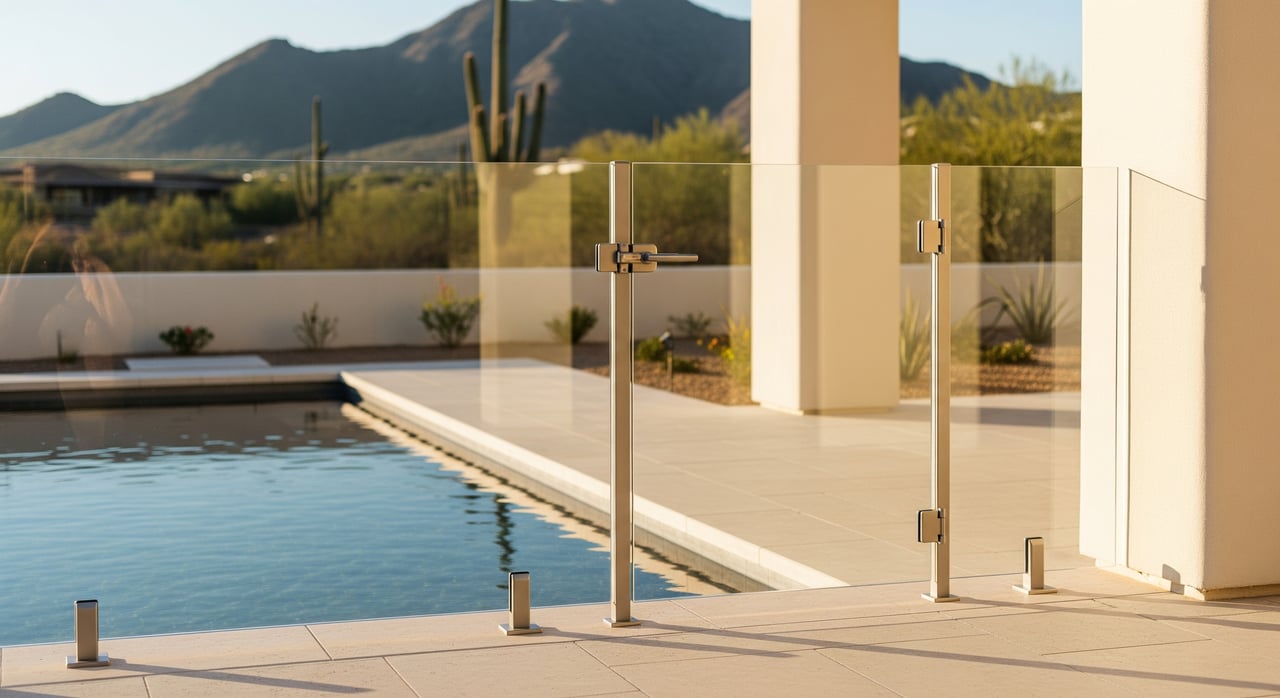
Thinking about listing a home with a pool or launching a short‑term rental in Vail? A loose gate latch or missing permit can stall your closing or put guests at risk. You want a smooth sale and a safe, welcoming stay. This guide shows you how to audit your pool barrier, fix common issues, and organize the paperwork buyers and platforms expect. Let’s dive in.
Who sets the rules in Vail
Vail sits in unincorporated Pima County, so the county’s adopted building codes and local practices control pool barrier requirements. Arizona does not enforce one statewide residential pool barrier law that overrides local rules. The county typically aligns with model standards from the International Swimming Pool and Spa Code and consumer guidance from the U.S. Consumer Product Safety Commission.
What matters for your sale or rental is what Pima County Planning & Development Services enforces today. Codes and processes can change. Always verify current requirements and ask the county for written records that match your property.
Permits and inspection records to pull
Before you list or accept bookings, confirm your paperwork. Buyers, title companies, insurers, and platforms often ask for proof of compliance.
- Find the building permit for the original pool and any later fence or barrier work.
- Confirm that required inspections were completed and a final or certificate of completion was issued.
- Save an as‑built site plan or survey that shows the pool and barrier locations relative to property lines and easements.
- If you cannot find records, contact Pima County Planning & Development Services and request the permit history and inspection results for your address.
What a compliant barrier usually includes
The county’s exact measurements control, but most local enforcement focuses on these core features:
- Barrier type. A four‑sided isolation fence that surrounds the pool and separates it from the house and yard, or a combination of fence and building wall used as the barrier.
- Height and openings. Many authorities require about 48 inches of height and limit openings so a 4‑inch sphere cannot pass. Verify the figures Pima County uses.
- Gates. Self‑closing, self‑latching, and opening outward away from the pool area. Latch heights and release hardware placement are often specified.
- Gap limits. Bottom clearance under the fence and spacing between vertical members are limited to prevent squeeze‑throughs.
- Doors to the pool. If the house forms part of the barrier, you may need door alarms or self‑closing devices on doors that open to the pool area.
- Alarms and covers. Some jurisdictions allow specific pool alarms or certified safety covers to supplement barriers. Ask Pima County what is accepted and when.
Public or commercial pools follow separate health rules. This guide focuses on private residential pools typical in Vail.
Quick audit: 10‑minute walkaround
Use this simple check to flag issues before an inspector, buyer, or platform does. Mark each item as OK, Needs Repair, or Unknown.
- Is the barrier continuous around the pool with no direct path from the street or sidewalk into the pool area?
- Measure barrier height at several spots. Record the minimum.
- Test openings by trying to pass a 4‑inch sphere through vertical or horizontal gaps. If it passes, the opening is too large.
- Measure the largest gap at the bottom of the fence.
- Open each gate several inches and let it go. Does it self‑close and self‑latch every time from any starting point? Does it open away from the pool?
- Check latch hardware. Is it child‑resistant, rust‑free, and mounted so a child cannot reach it from outside?
- If exterior doors open into the pool area, are required door alarms or self‑closing devices installed and working?
- If you use alarms or a safety cover, do you have manufacturer specs and proof of proper installation?
- Remove climbable items near the fence such as furniture, stacked materials, or low branches.
Common fixes and realistic timelines
Many barrier issues are inexpensive to solve if you start early and document the work.
- Gate hardware and hinges. Install self‑closing hinges and a high‑mounted self‑latch. Typical timeline: 1 to 3 days.
- Raise or replace fence panels. Address low spots and wide gaps. Timeline: 1 to 3 weeks plus any permit processing.
- Add approved alarms or door closers. Door or pool alarms can often be installed in 1 to 7 days.
- Structural adjustments. If decking or site conditions impact barrier compliance, plan for permits, county review, and an inspection.
Tip: Ask contractors for itemized invoices and a short letter describing the fix. Save before‑and‑after photos.
STR hosts: protect guests and your listing
Short‑term rental platforms generally require you to follow local laws and expect visible safety measures. In unincorporated Pima County, also check any HOA rules that apply to your property.
- Prepare a pool safety packet for guests and your listing file. Include pool rules, capacity guidance, and local emergency numbers.
- Post simple, visible rules near the patio or pool entry.
- Test gate self‑close and alarms between stays and log the results.
- Keep permits, inspection letters, and equipment manuals in your owner file to respond quickly to platform or insurer requests.
The documents buyers and platforms want
Gather these items now to reduce repair demands, holdbacks, or onboarding delays.
- Pool and fence permits with final inspection or certificate of completion.
- As‑built site plan or survey showing pool and barrier locations.
- A licensed pool or fence contractor’s inspection report with measurements: height, opening sizes, bottom gap, gate operation, and latch height.
- Dated photos and a short video demonstrating gates self‑closing and self‑latching.
- Receipts for repairs or replacements, including latch kits, hinge upgrades, fence panel work, and alarm installations.
- Spec sheets and install records for any alarms or safety cover.
- Seller Property Disclosure details on pool condition and any known barrier issues.
- For STRs, your onboarding packet with rules signage, emergency numbers, and proof of any required alarms or door sensors.
Consider adding a one‑page “pool barrier compliance summary” signed by a licensed contractor that lists any remaining items and estimates to fix them.
Step‑by‑step to avoid delays
Follow this workflow as soon as you plan to sell or host.
- Do the quick audit and take photos.
- Pull permits, final inspections, and any site plan.
- If you find issues, hire a licensed contractor for a scope and written estimate, and apply for permits if needed.
- Order an independent inspection letter with measurements suitable for escrow or platform onboarding.
- Update your disclosure and your STR safety packet.
- Share permits, finals, and the inspection letter with your agent and title to keep closing on track.
- Keep a maintenance log, test alarms and gates regularly, and save new receipts.
Insurance and liability basics
Home insurance carriers often require pools and fences to be in good repair. Noncompliant barriers can increase premiums or lead to denied claims. STR hosts should confirm that short‑term rental activity is covered and consider excess liability coverage. Keep your insurer informed when you change barrier components or add alarms.
Who to call in Pima County
Start with Pima County Planning & Development Services for current code adoption, permit requirements, and inspection records for your address. If your pool is used by guests, ask the county about any health or sanitation rules that may apply. Engage a licensed local fence contractor and a pool contractor who know county inspections and can provide measurement‑based letters.
Bring this question list when you contact the county:
- Which edition of the International Swimming Pool and Spa Code or International Residential Code is currently adopted for pool barriers?
- What minimum barrier height and maximum opening or gap dimensions are enforced for residential pools?
- Are self‑closing and self‑latching gates required, and what latch height or release location is specified?
- Are door alarms or self‑closing devices required when the house forms part of the barrier?
- Which fence or pool alterations require permits versus maintenance only?
- How can I access your online permit and inspection record search for my property?
Partner with Holiday Homes Family
You do not have to figure this out alone. If you are selling, we help you audit the barrier early, gather permits and finals, and line up the right contractor letters so buyers feel confident. If you are hosting, we streamline STR onboarding, prepare guest‑ready safety materials, and coordinate fixes that protect your listing and your guests. Contact Holiday Homes Family to get practical, local support from a team that blends real estate and hospitality in southern Arizona.
FAQs
What is a compliant residential pool barrier in Vail?
- Pima County enforces local code that typically aligns with model standards such as a continuous barrier around the pool, controlled gate hardware, limits on openings and gaps, and added measures when the house opens to the pool; verify exact measurements and hardware placement with the county.
Do I need a permit to replace or modify a pool fence in Pima County?
- Many pool, fence, and barrier alterations require a building permit and inspection, so confirm with Pima County Planning & Development Services before starting work and keep copies of all approvals.
Are door alarms required if my home opens to the pool area?
- When the house forms part of the barrier, jurisdictions often require door alarms or self‑closing devices on doors to the pool; ask Pima County which options are accepted for your home.
How do I prove pool barrier compliance during a sale?
- Provide permits and final inspections, a site plan, a licensed contractor’s measurement report, dated photos or videos of gate operation, receipts for repairs, and a short compliance summary letter if available.
What should STR hosts include in a pool safety packet for guests?
- Include house rules for pool use, emergency contacts, capacity guidance, proof of required alarms or sensors, and a simple log showing gates and alarms were tested between stays; keep permits and inspection letters in your owner file.