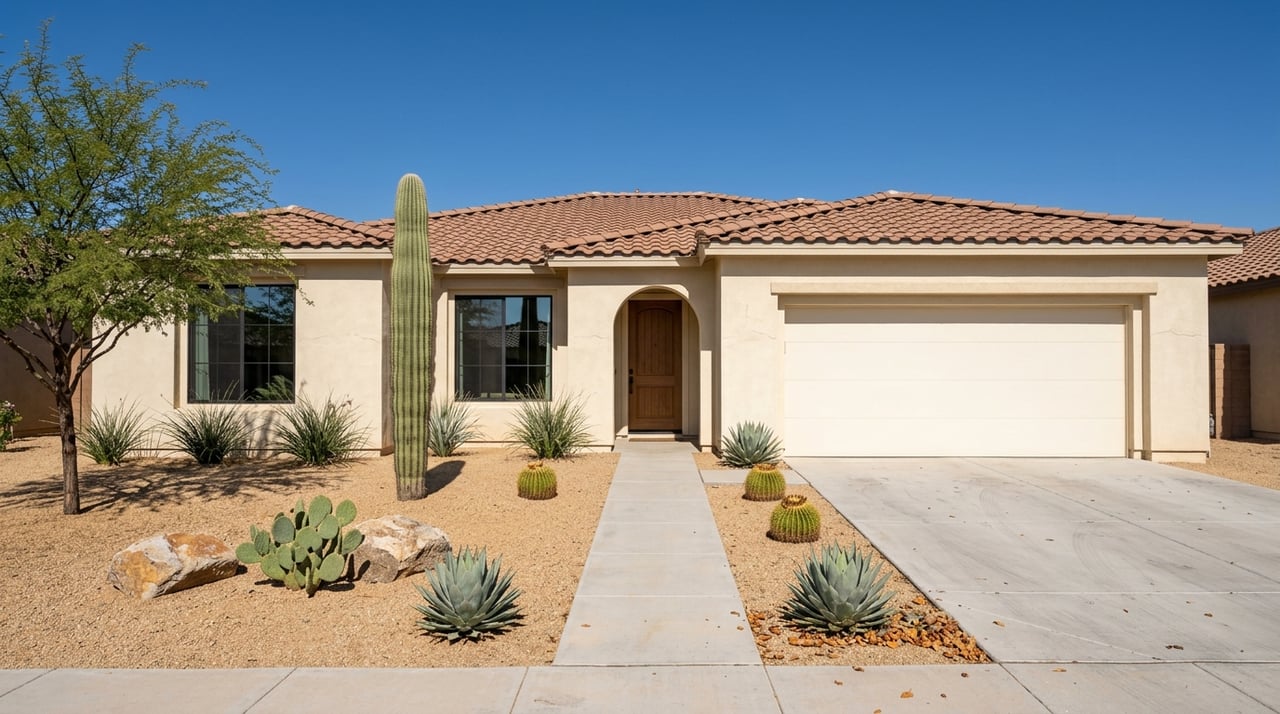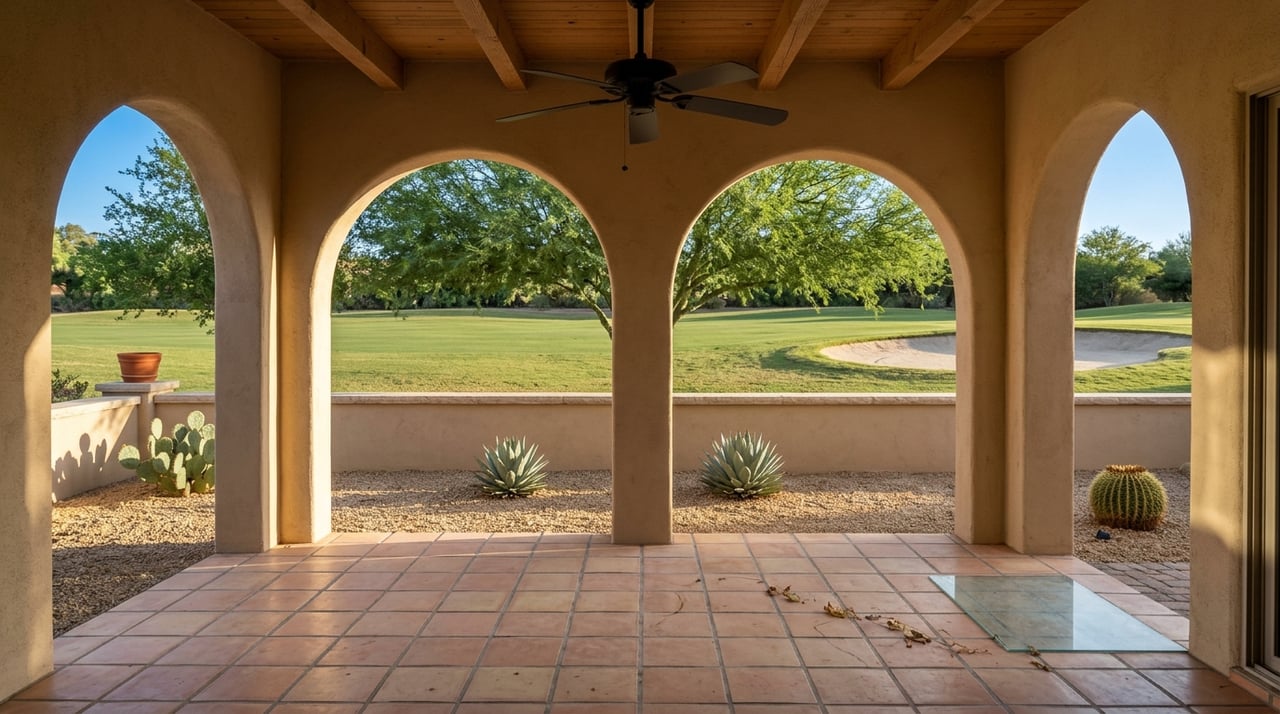
Dreaming about fairway views and mountain backdrops in Oro Valley? A golf course home can offer exactly that, along with easy access to the outdoor lifestyle that draws so many buyers to this part of southern Arizona. But the right purchase is about more than a pretty view, and this guide will help you understand the home types, documents, rules, and trade-offs that matter most before you buy. Let’s dive in.
Why Oro Valley Appeals to Golf-Home Buyers
Oro Valley sits in northern Pima County, about three miles north of Tucson, between the Catalina and Tortolita mountain ranges. According to the Town of Oro Valley, the town sits at 2,620 feet in elevation and is known for sunny weather, with average highs of 83.4°F and average lows of 53.8°F. For many buyers, that means outdoor living is not just seasonal. It is part of daily life.
That setting helps explain why golf homes here attract so much attention. You are not just buying a property near a course. You are often buying mountain views, open desert scenery, and patios or yards designed to make the most of the landscape.
Golf Options in Oro Valley
One of the best things about buying a golf course home in Oro Valley is variety. The local market includes several golf settings, including The Views Golf Club, the Community and Recreation Center courses, the Canada Course, the Pusch Ridge Course, and the private Oro Valley Country Club.
That matters because not every golf community works the same way. Some neighborhoods are tied to private-club living, while others are centered around public or membership-based play. A home with a golf view does not automatically mean the same access, fees, or lifestyle as the next one.
Private, Public, and Golf-Adjacent Living
As you compare homes, it helps to think in three basic categories:
- Private-club centered: You may be near a private club, where access and amenities depend on separate membership terms.
- Public or membership golf: Some settings offer annual memberships, daily fee play, or public-membership options.
- Golf-adjacent: Some homes are simply next to a course or within a golf-oriented neighborhood, without a direct club commitment.
This is why lot-specific research matters. The neighborhood name may sound golf-focused, but your actual day-to-day experience can vary a lot depending on the course type and the home’s position within the community.
Home Types You May Find
Oro Valley’s housing stock is still led by detached single-family homes. A 2023 town housing summary reported that 73% of units were single-family detached, while 19% were multifamily. In practical terms, that gives you a wider range of golf-home choices than many buyers expect.
You may find larger detached homes on golf-facing lots, but that is not the only option. Depending on the area, you may also see villa-style properties, condos, or apartment-style homes in golf-adjacent settings.
Examples of Different Golf Lifestyles
Two town-listed examples show how varied this can be. The Golf Villas at Oro Valley are described by the town as apartment homes adjacent to the El Conquistador golf course with Catalina Mountain views. Sun City Oro Valley is described as an active-adult community with a public-membership golf course.
These examples highlight an important point. The real decision is not only whether a home has a golf course view. It is whether you want a club-centered lifestyle, a public-course setting, or simply a home near open space and golf scenery.
Why Lot Position Matters So Much
In Oro Valley, lot position may matter just as much as the community itself. A home directly along a fairway, tee box, green, or driving range can have a very different experience from a home located deeper inside the same neighborhood.
The Town of Oro Valley’s Golf Course Overlay Zone is designed to preserve scenic vistas, neighborhoods, property uses, and values while also reducing the risk of golf balls striking homes or people. The town code also allows buffers where needed to help reduce sound, visibility, and traffic impacts along course edges.
What This Means for You
When you tour a golf property, pay attention to more than the headline view. Ask yourself:
- How close is the lot to active play areas?
- Is the yard open or buffered?
- What is the noise level during likely play times?
- How usable is the backyard or patio?
- Does the lot feel exposed or private?
A home that backs directly to active golf use may deliver dramatic views, but it can also come with more exposure. A home that sits nearby, rather than directly on the edge, may offer a more balanced fit if privacy matters to you.
Golf Use Can Change Over Time
Many buyers assume a golf backdrop will stay exactly as it is. In Oro Valley, there is a clear local example of why that should never be taken for granted.
The former Vistoso Golf Course was purchased by the Town of Oro Valley in 2022 and reopened as Vistoso Trails Nature Preserve for passive recreation. In 2025, the town said the preserve was permanently preserved and receiving trail and accessibility upgrades.
This does not mean every golf property is at risk of change. It does mean you should treat long-term land use as something to verify, not assume. If a golf setting is central to your decision, it is worth asking how the surrounding land is owned, regulated, and described in the property documents.
HOA Rules and Community Documents
Many golf course homes in Oro Valley are located in HOA-governed communities. That means the resale paperwork is not just routine. It is a key part of understanding what you are really buying.
Under Arizona law, HOA resale disclosure information can include pending litigation, the current operating budget, the most recent annual financial report, a reserve study if one exists, and a summary of pending lawsuits. The association may charge up to $400 for the disclosure package, with limited rush and update fees allowed by statute.
The Arizona Department of Real Estate also advises buyers to read CC&Rs and related governing documents carefully. These documents may restrict landscaping, RV parking, play equipment, satellite antennas, and other common features. Some HOAs may also impose transfer-related fees when a property is sold.
Questions to Ask About HOA-Controlled Golf Homes
Before you move forward, ask for clarity on:
- HOA fees and what they cover
- Transfer fees due at closing
- Landscaping rules for front and back yards
- Outdoor improvement limits
- Whether fences, shade structures, or other additions are restricted
- Any rules tied to golf-facing lots or view corridors
These details can shape both your monthly costs and your long-term enjoyment of the property.
New Construction and Vacant Lots
If you are buying new construction or a vacant lot in a subdivision, Arizona requires a Public Report before the purchase contract is signed. According to ADRE, that report can cover adjacent land uses, utility providers, common recreation facilities, taxes, assessments, and HOA details.
In a golf neighborhood, this can be especially useful. It may help you understand whether nearby land is protected open space, future development, or part of the golf operation itself. That context can affect both your expectations and your resale outlook.
Title, Easements, and Extra Costs
A golf course lot can look simple from the street while carrying important legal details behind the scenes. That is why the title commitment deserves careful review.
ADRE notes that Schedule B exceptions can include easements and liens that may affect later additions or other uses of the property. In a golf community, those exceptions could affect drainage, cart-path access, or other use limitations that are not obvious during a showing.
The ADRE buyer advisory also tells buyers to review the detailed property tax statement for any Community Facilities District assessment. That is an important step because district assessments can affect the real cost of ownership.
Inspections for Golf-Adjacent Homes
Inspection is always important, but golf-adjacent homes deserve a little extra attention outside as well as inside. ADRE recommends termite and professional home inspections for resale homes, and it specifically advises buyers to confirm that water and irrigation operate properly.
That guidance is especially relevant in Oro Valley’s golf settings. Exterior value often depends on landscaping, drainage, yard usability, and how well the outdoor space holds up to the lot’s exposure.
Inspection Areas Worth Extra Focus
When buying on or near a course, make sure you closely evaluate:
- Irrigation function
- Drainage patterns
- Yard usability
- Exterior wear from exposure
- View corridor impacts
- Easements affecting outdoor plans
If you already know you want to add features outside, it is smart to confirm both physical feasibility and HOA rules before you commit.
A Simple Framework for Deciding
Buying a golf course home in Oro Valley can be a great fit if you value the setting enough to accept the rules, fees, and exposure that may come with it. For many buyers, the combination of mountain views, desert scenery, and easy access to outdoor recreation is worth it.
You may want to proceed more carefully if maximum backyard privacy is your top priority, if you want broad freedom for outdoor additions, or if you would be frustrated by the possibility of course redesign, closure, or repurposing over time. In other words, the best golf home is not always the one closest to the fairway. It is the one that fits how you actually want to live.
If you are comparing golf homes in Oro Valley, a local, detail-focused approach can save you time and help you avoid surprises. Laurie Wilson brings a warm, high-touch approach to buying and selling in southern Arizona, with the local perspective to help you evaluate lifestyle fit, documents, and the details that matter before you move forward.
FAQs
What makes buying a golf course home in Oro Valley different from buying a standard home?
- Golf course homes in Oro Valley often require closer review of lot position, HOA rules, title exceptions, irrigation, drainage, and whether the nearby golf use is private, public, or simply adjacent to the neighborhood.
Does buying a golf course home in Oro Valley require club membership?
- No. Oro Valley includes private-club examples, daily-fee options, and public-membership golf communities, so membership depends on the specific property and course setting.
What documents matter most when buying a golf home in Oro Valley?
- Key documents include the CC&Rs, HOA resale disclosures, the Public Report for new construction, the title commitment, and the property tax statement for any Community Facilities District assessment.
Can a golf course near an Oro Valley home be repurposed later?
- Yes. The former Vistoso Golf Course is a local example of a golf property that was later preserved and reopened as Vistoso Trails Nature Preserve.
What should you inspect carefully on an Oro Valley golf lot?
- Focus on irrigation, drainage, yard usability, easements, exterior exposure, and whether the property’s outdoor setup matches the way you want to use the home.
Are all golf-oriented neighborhoods in Oro Valley the same?
- No. Some are tied to private clubs, some relate to public or membership-based golf, and some are simply golf-adjacent, so the lifestyle can vary significantly from one property to the next.